
King Charles III's Coronation: A Celebration of Unity and Tradition
- James S.

- May 6, 2023
- 5 min read
Updated: May 7, 2023
This Saturday, 6th May 2023, the United Kingdom of Great Britain and Northern Ireland, alongside the rest of planet Earth, will witness a historic event as King Charles III's Coronation takes place at Westminster Abbey in London.

This ceremony will not only be a grand celebration of tradition but also a symbol of the future of the United Kingdom. The coronation of a new monarch is a rare event that has only occurred a handful of times in British history, and it holds great importance to the people of Britain. This article will discuss the grandeur and tradition of the coronation, fascinating facts, celebrations, and how the United Kingdom will be represented.
A coronation is both a symbolic religious ceremony and the physical act of placing a crown on the monarch's head. It formalises the monarch's role as the head of the Church of England and marks the transfer of their title and powers.
However, it is not necessary for the monarch to be crowned to become King, as was the case with Edward VIII, who reigned without a coronation (he abdicated the throne before his own coronation).

Charles automatically became King the moment Her Majesty Queen Elizabeth II passed away on 8th September 2022.
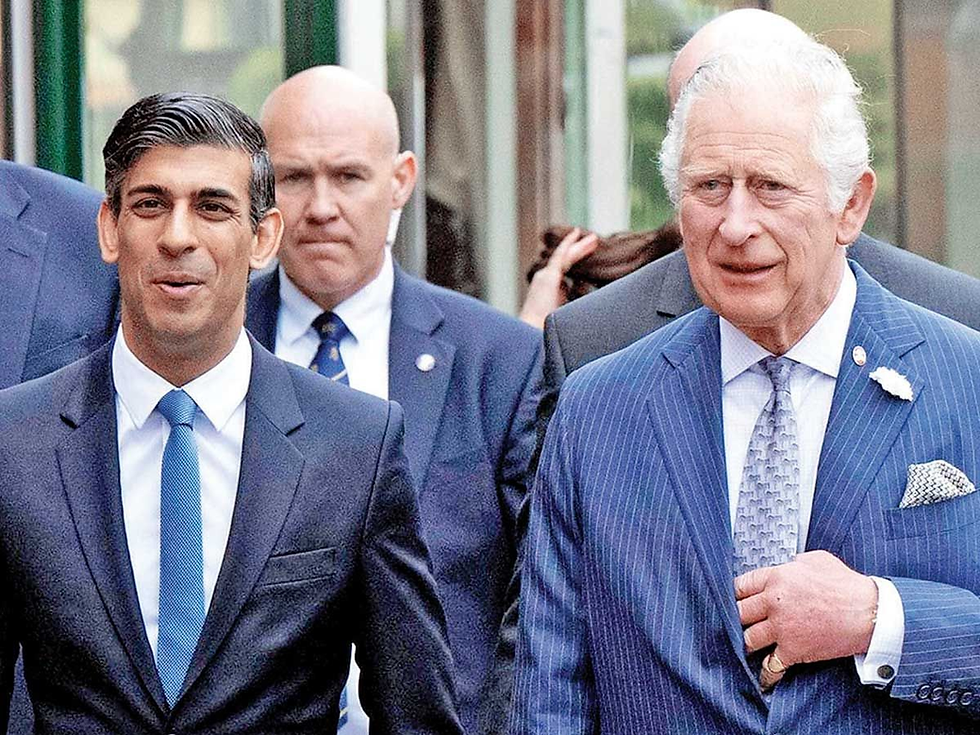
The Coronation of King Charles III is a state occasion, and the government controls the guest list. Besides the Royal Family, other invited guests will include the Prime Minister, Rishi Sunak, representatives from the Houses of Parliament, heads of state, and other royals from around the world. Former US Vice-President Joe Biden will not attend the event, but current First Lady Jill Biden will attend on his behalf. Moreover, 850 community representatives have been invited to the ceremony in recognition of their charitable contributions.
Plan of Action
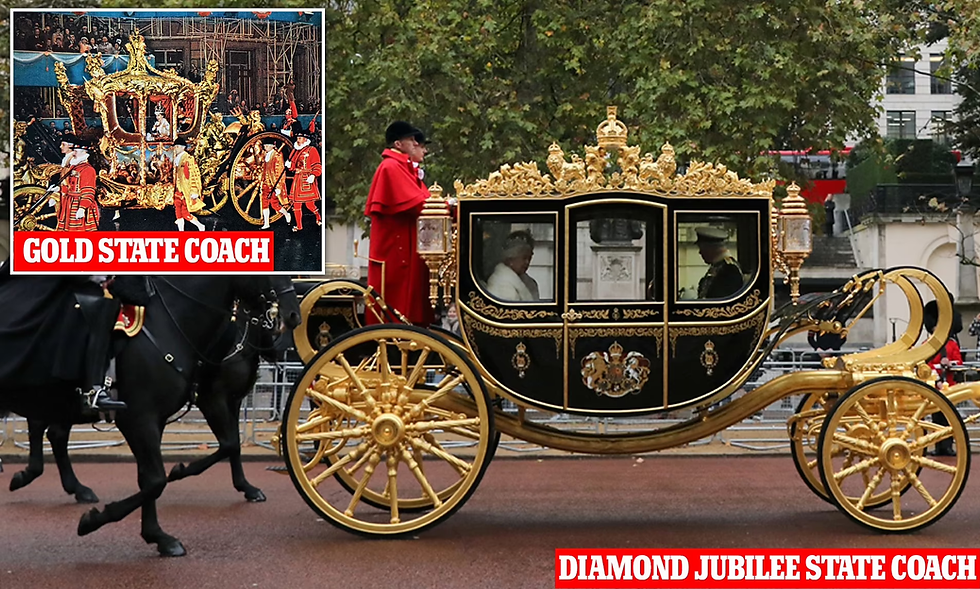
The ceremony will begin at 11:00, and the King's procession is expected to arrive at Westminster Abbey shortly beforehand. The Coronation Procession will be more modest than the previous coronation, with the King and Camilla, the Queen Consort, travelling to Westminster Abbey in a relatively modern horse-drawn carriage that has electric windows and air conditioning.

The Coach
They will ride in the Diamond Jubilee State Coach, first used in 2014, before returning in the Gold State Coach used in every coronation since the 1830s. More than 6,000 armed forces members will take part, making it the largest military ceremonial operation in 70 years. Camilla's grandchildren will be among the pages at Westminster Abbey, alongside the King's grandson, Prince George.
Defender of The Faith
Another crucial aspect of the coronation of a new monarch in Britain is that in the United Kingdom, the monarch holds the title of Defender of the Faith, which is a ceremonial title that dates back to the 16th century. The title was originally bestowed upon King Henry VIII by Pope Leo X in recognition of his opposition to the Protestant Reformation.

In 1544, the title was made an official part of the monarch's style and title, and has been held by every English and British monarch since. Today, the title reflects the monarch's role as the head of the Church of England and symbolises the monarch's duty to uphold the Christian faith and protect the Church from harm. While the monarch has no formal role in the governance of the Church, the title remains an important part of the monarch's ceremonial duties and is a significant reminder of the historical relationship between the monarchy and the Church in the United Kingdom.
A National Event
The coronation is a national event, and as such, each of the four countries in the United Kingdom (England, Scotland, Wales, and Northern Ireland) will be represented during the coronation of King Charles III.
Starting with England, The Archbishop of Canterbury, plays a crucial role in the coronation ceremony as the one who crowns the king and anoints him with holy oil, marking the start of his reign.

This tradition dates back to the early medieval period, when monarchs were believed to have been chosen by God and were therefore consecrated by a religious figure.
The ceremony takes place at Westminster Abbey, located in the City of Westminster in London, has been the site of coronation ceremonies for English and British monarchs since 1066.

The Lord Lyon King of Arms represents Scotland and is responsible for heraldry and ceremonial matters. He presents the Scottish crown, sceptre, and sword of state during the coronation ceremony.
The Prince of Wales represents Wales as the heir to the throne and participates in the ceremony by carrying the sword of state and wearing the coronet of the Prince of Wales. The Prince of Wales's role emphasises the importance of Welsh identity within the larger United Kingdom.

The Lord Lieutenant of Belfast represents Northern Ireland as the monarch's representative in the capital city. The Lord Lieutenant is responsible for upholding and promoting the traditions and cultural heritage of Northern Ireland. At the coronation, the Lord Lieutenant of Belfast will ensure that Northern Ireland is represented appropriately and that its traditions and culture are respected.
Overall, each country in the United Kingdom of Great Britain and Northern Ireland will have its own unique representation at the coronation, which highlights the importance of national unity and each country's individual unique traditions and culture.
Fantastic Festivities
The Coronation will be a significant event for the people of Britain, and there will be an extra bank holiday across the United Kingdom on Monday 8th May.
To celebrate, Buckingham Palace has announced various events for the weekend, including a concert at Windsor Castle on Sunday 7th May featuring Katy Perry, Take That, and Lionel Richie.

Pubs, clubs, and bars across England and Wales will be able to stay open for an extra two hours on Friday and Saturday of the coronation weekend.
People are also being invited to hold street parties and to take part in volunteering projects in their local community as part of the Big Help Out initiative.
It is interesting to note that Charles's coronation will be the first time Prince Harry will be seen in public with the Royal Family since his controversial memoir, "Spare," was published in January. The Duke of Sussex has confirmed that he will travel from the United States for the coronation, but his controversial wife, Meghan Markle (the Duchess of Sussex), will not attend.

In conclusion, King Charles III's Coronation is a rare event that symbolises a key milestone in the story that is England and Great Britain. It will be a grand celebration of tradition and a significant moment for the British people. I predict that even with the 'toned down' aspect, the ceremony will be a remarkable display of grandeur and tradition, representing the history and future of the United Kingdom that all good patriotic Brits can get behind. God Save The King!


Comments