
Westminster Abbey: A Timeless Icon of British History and Majesty
- James S.

- Jun 16, 2023
- 3 min read
The host of 38 coronations of English and British monarchs and the venue for 16 royal weddings, including the wedding of Queen Elizabeth II and Prince Philip, Duke of Edinburgh.

Westminster Abbey, also known as the Collegiate Church of St Peter, Westminster, is a magnificent work of architecture and a unique pageant of British history.
The abbey has been the site for every coronation since 1066, as well as for numerous other royal events and weddings. It is still a church for regular worship and significant celebrations in the life of the nation.
Neither a cathedral nor a parish church, it is a "Royal Peculiar" under the jurisdiction of a Dean and Chapter, subject only to the Sovereign, not any archbishop or bishop.

Westminster Abbey's story dates back to the 11th century when King Edward (later St Edward the Confessor) established his royal palace by the banks of the river Thames on land known as Thorney Island. Close by was a small Benedictine monastery founded under the patronage of King Edgar and St Dunstan around 960A.D. This monastery Edward chose to re-endow and greatly enlarge, building a large stone church in honour of St Peter the Apostle. This church became known as the "west minster" to distinguish it from St Paul's Cathedral (the east minster) in the City of London. Unfortunately, when the new church was consecrated on 28th December 1065 the King was too ill to attend and died a few days later.
His mortal remains were entombed in front of the High Altar.
The only traces of Edward's monastery to be seen today are in the round arches and massive supporting columns of the undercroft and the Pyx Chamber in the cloisters.

Among the most significant ceremonies that occurred in the Abbey at this period was the coronation of William the Conqueror on Christmas day 1066, and the moving of King Edward's body to a new tomb a few years after his canonisation in 1161.
Edward's Abbey survived for two centuries until the middle of the 13th century when King Henry III decided to rebuild it in the new Gothic style of architecture.
It was a great age for cathedrals, and under the decree of the King of England, Westminster Abbey was designed to be not only a great monastery and place of worship, but also a place for the coronation and burial of monarchs.
This church was consecrated on 13th October 1269. Unfortunately the king died before the nave could be completed so the older structure stood attached to the Gothic building for many years.
Every monarch since William the Conqueror has been crowned in the Abbey, with the exception of the uncrowned Edward V and Edward VIII (who abdicated).
The ancient Coronation Chair can still be seen in the church. It was natural that Henry III should wish to translate the body of the saintly Edward the Confessor into a more magnificent tomb behind the High Altar in his new church.
This shrine survives, and around it are buried a cluster of medieval kings and their consorts, including Henry III, Edward I and Eleanor of Castile, Edward III and Philippa of Hainault, Richard II and Anne of Bohemia, and Henry V.
The Abbey contains around 3,300 burials in the church and cloisters and many more memorials. It also contains over 600 monuments and wall tablets - the most significant collection of monumental sculpture anywhere in the country.

Notable among the burials is the Unknown Warrior, whose grave, close to the west door, has become a place of pilgrimage. Heads of State visiting the country invariably come to lay a wreath at this grave.
A remarkable new addition to the Abbey was the glorious Lady chapel built by King Henry VII, the first of the Tudor monarchs, which now bears his name. This has a spectacular fan-vaulted ceiling and is renowned for its stunning stained glass windows.
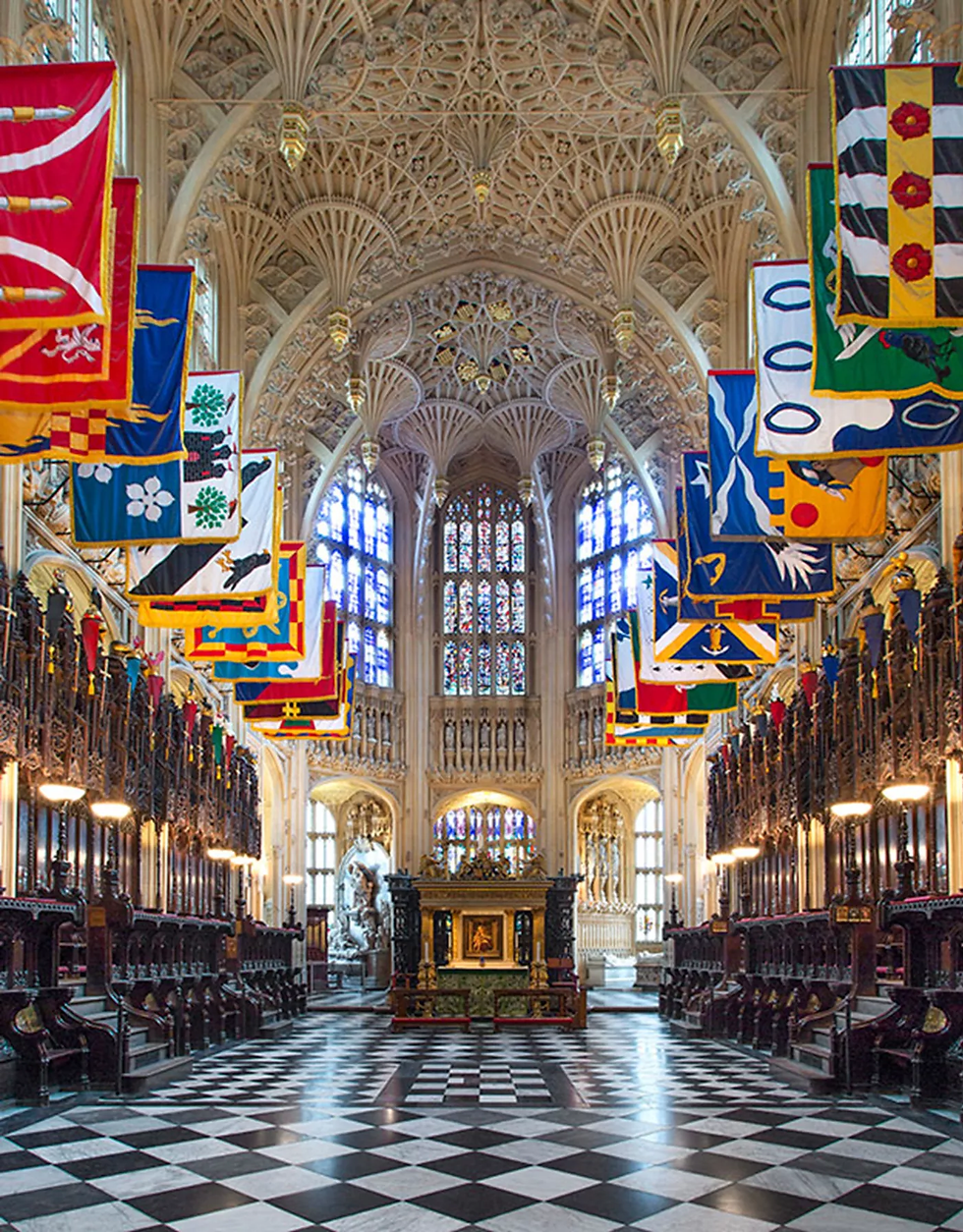
The chapel also houses the tomb of Henry VII and his wife, Elizabeth of York.
Throughout its long and rich history, Westminster Abbey has also been the site of many other significant events, such as the funeral of Sir Winston Churchill and the wedding of Prince William and Catherine Middleton. It is a UNESCO World Heritage site and continues to be one of the most popular tourist attractions in London, drawing millions of visitors from around the world each year.

Beyond its historical and architectural significance, the Abbey remains a living, breathing part of British national life, providing a place of worship, celebration, and remembrance for generations to come.
To learn and chat more about iconic architecture like Westminster Abbey whilst improving your English, get in touch and arrange a free consultation!


Comments